
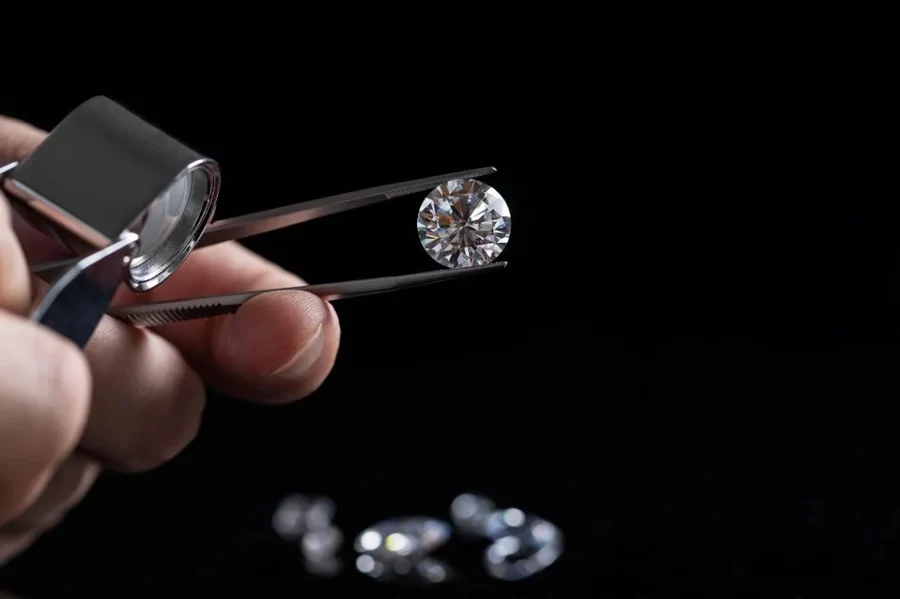
At Aurum Fine Diamonds, we believe every diamond is a unique masterpiece created by nature. More than just a precious gemstone, each diamond has its own individual characteristics that determine its beauty, brilliance, and value. Understanding these qualities helps you choose a diamond with complete confidence. The internationally recognized 4Cs—Cut, Color, Clarity, and Carat Weight—are the global standard for evaluating diamond quality. Developed by the Gemological Institute of America (GIA), these grading principles provide a trusted and consistent way to compare diamonds based on their natural attributes.
Whether you’re selecting a timeless piece of diamond jewelry, searching for the perfect engagement ring, or investing in a certified natural diamond, our educational guide will help you understand what truly makes each diamond exceptional.
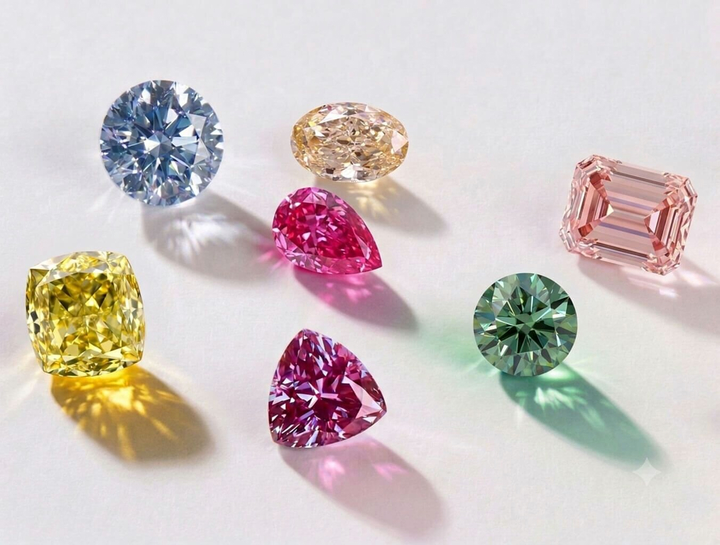
Colored Diamonds
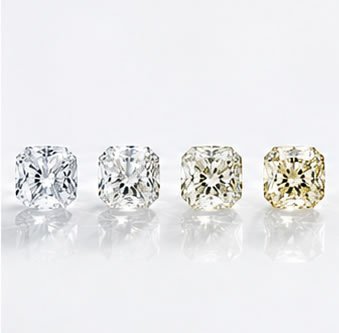
Diamond color is an evaluation of the absence of color. A chemically pure and structurally perfect diamond has no hue and is highly rare. The GIA D-to-Z Color Scale is the industry standard for grading this trait, measuring how closely a diamond approaches colorlessness.
The D-to-Z Scale Explained
The scale starts with the letter D (colorless) and progresses to the letter Z (light yellow or brown) with progressively more color.
D through F (Colorless)
To highlight their purity, these rarest stones are usually set in platinum or white gold.
G through J (Near-Colorless):
These diamonds are extremely popular because the slight tint is generally invisible to the naked eye. This range allows you to shop for diamond pendants online that appear perfectly white while remaining within a balanced budget.
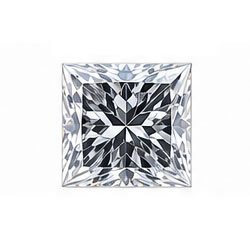
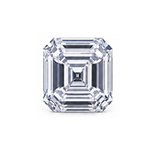
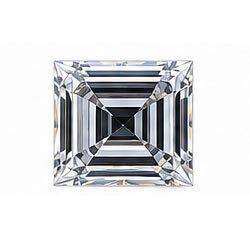
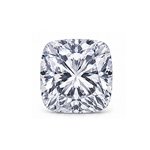
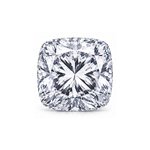
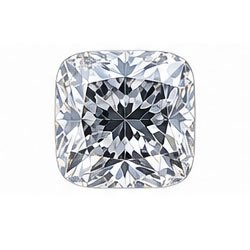
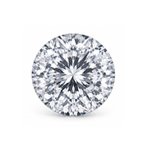
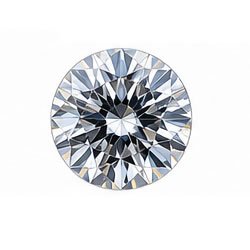
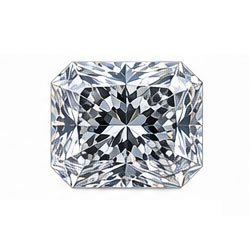
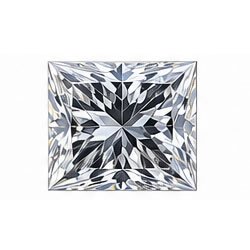
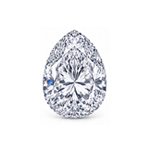
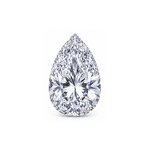
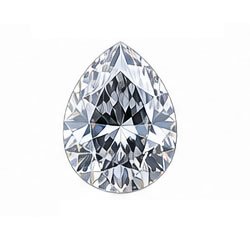
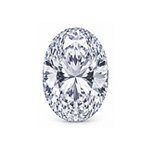
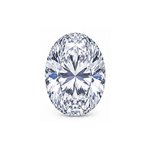
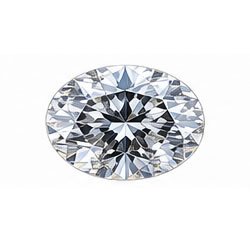
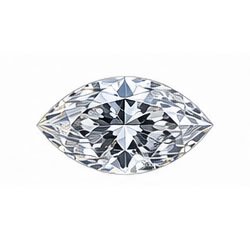
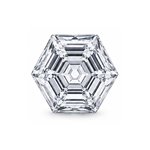
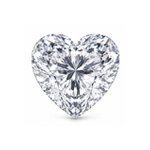
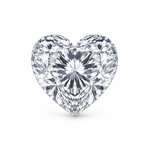
Shop Diamonds by Shape
Diamond Clarity
Nature’s Unique Fingerprints
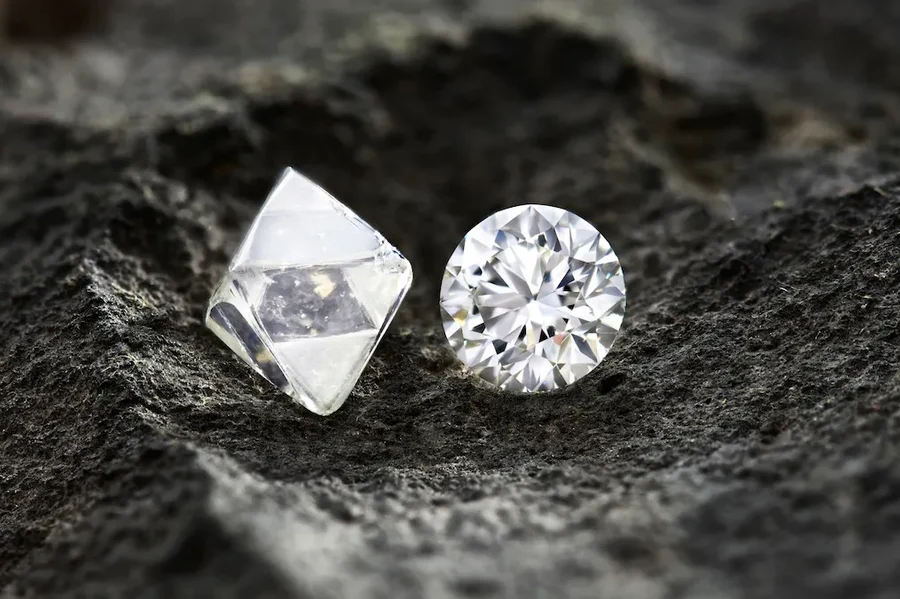
When carbon is exposed to very high temperatures and pressures deep beneath the Earth, diamonds form. This natural process often leaves their insides with inclusions and their surfaces with bumps and dips. Clarity is based on such occurrences when one of these internal or external characteristics is missing.
Evaluating Inclusions
The GIA Clarity Scale contains 11 grades, ranging from Flawless (FL) to Included (I3). When determining clarity, experts look at the size, number, position, kind, and color of the inclusions.
The “Eye-Clean” Concept
For most buyers, the goal is an eye-clean stone. When you shop for diamond engagement rings, a VS2 or SI1 clarity grade is often the ideal choice, as it offers a flawless appearance to the casual observer without the premium price of an “Internally Flawless” diamond.
Diamond Carat Weight
Precision in Measurement
Carat weight measures the mass of a diamond. One metric carat is defined as 200 milligrams. Each carat is subdivided into 100 points, allowing for extremely precise measurements to the hundredth decimal place.
Weight vs. Visual Size
It is important to understand that weight does not always equal visual size. Because diamonds are three-dimensional objects, their “spread” (how wide they look from the top) is determined by their cut proportions. A diamond that is cut too deep will hide its weight in the bottom of the stone, making it look smaller than its carat weight suggests.
The Concept of Magic Numbers
In the diamond industry, prices jump significantly at “magic numbers” such as 1.00ct to 2.00ct and 2.00ct to 4.00ct. If you want to buy diamond ring, you may find that a 2.00-carat stone offers the same visual impact for a more efficient price. This is because diamonds are priced by rarity, and stones that reach full-carat marks are discovered less frequently.
Expert Summary
Knowledge is the key to finding a diamond that you will love for a lifetime. When you visit our Indianapolis showroom, our team uses these 4Cs to help you find the right sweet spot for your personal style.
Focus on Cut
This ensures the maximum sparkle and beauty of the stone.
Understand Color
Near-colorless diamonds (G–J) offer exceptional value.
Prioritize Eye-Clean Clarity
VS2 and SI1 are the smart choices for a perfect look.
Select Carat Weight
Choose the weight that fits the proportions of your setting.

4Cs Diamond Education
Learn the essentials of diamonds with our easy-to-understand expert guide.
Diamond Color
Discover how color grades influence a diamond's beauty and value.
Diamond Clarity
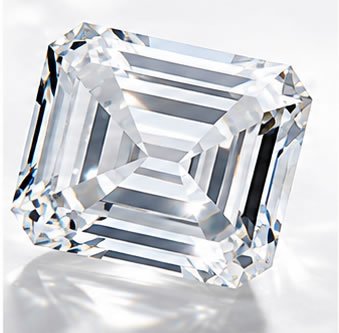
Understand how clarity affects a diamond's brilliance and appearance.
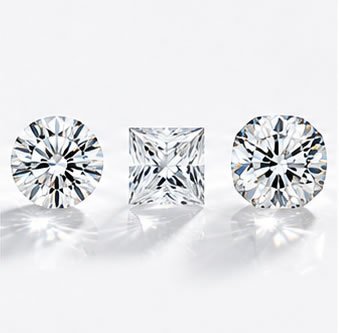
Diamond Cut
Explore how expert cutting maximizes a diamond's sparkle and fire.
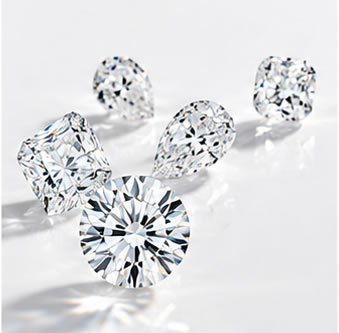
Diamond Weight
Learn how carat weight impacts a diamond's size, rarity, and value.
Diamond Education FAQ's
The 4Cs—Cut, Color, Clarity, and Carat weight—are the global standards for assessing diamond quality established by the GIA. At Aurum Fine Diamonds, we use these metrics to provide a transparent and scientific evaluation of every stone in our Indianapolis collection, ensuring you understand exactly what you are purchasing.
Cut is the most critical factor. While color and clarity are natural traits, the cut is a result of human craftsmanship. An Excellent or Ideal cut allows the diamond to act like a mirror, reflecting light to create maximum brilliance and fire. If a diamond is cut too shallow or too deep, light leaks out the sides, making the stone look dull.
An "eye-clean" diamond is a stone that has no inclusions or blemishes visible to the naked eye. For the best value, the experts at Sam’s Jewelers often recommend VS2 or SI1 clarity grades. These diamonds offer a flawless appearance to the observer but are significantly more affordable than rare "Internally Flawless" stones.
Yes. Diamonds in the G to J (Near-Colorless) range offer exceptional value because their slight tint is virtually invisible once set in a ring. Choosing a near-colorless stone allows you to maximize your budget for a higher carat weight or a superior cut without sacrificing the "white" look of the diamond.
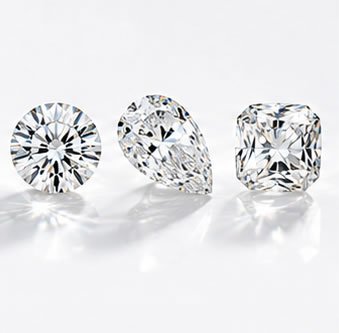
Diamond shape refers to the stone's physical form (Round, Oval, Princess, etc.). While Round Brilliant is the most popular for its light performance, "fancy shapes" like Oval or Pear can make a finger look longer and often appear larger than a round diamond of the same carat weight.
Fluorescence is a natural effect where a diamond glows (usually blue) under UV light. It is not inherently bad; in fact, for diamonds with a slight yellow tint (I or J color), blue fluorescence can actually make the stone appear whiter and brighter in natural sunlight.