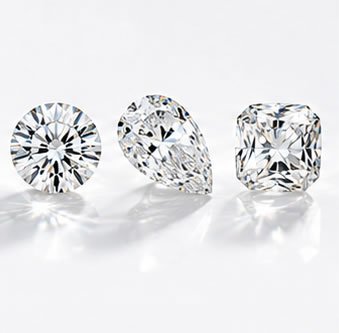
Diamond Color
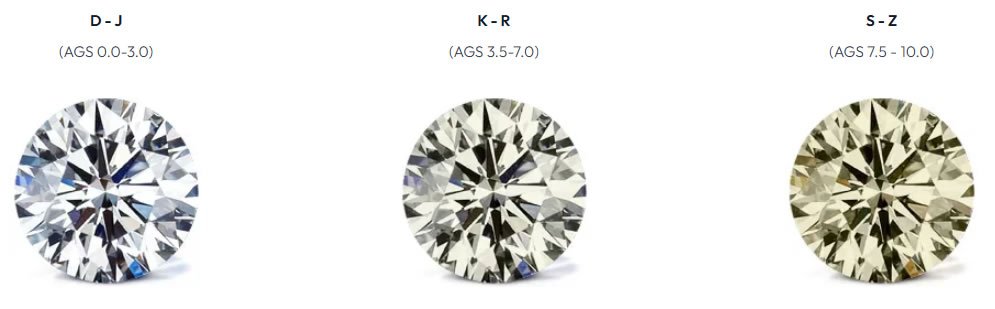
Diamond Color is one of the most important factors to consider, as it is noticeable to the naked eye. A diamond’s color is graded by GIA on an alphabetical scale from D to Z, with D being absolutely colorless and Z being light yellow. Beyond Z-color, a diamond is considered to be a “fancy” color. Although many diamonds appear to be colorless, some have at least a hint of body color.
A diamond’s color has a significant impact on its value. To ensure the highest quality diamonds for your selection, Adiamor carries diamonds in the color range from D to J only. When buying a diamond, take into consideration that it is often very difficult to detect the difference between a colorless diamond (D to F) and a near colorless diamond (G to J), especially when it is mounted in jewelry. Diamonds with a K to Z color grade usually have yellow shading that can be detected by the naked eye, however, a well cut stone with good proportions will still release the brilliance and fire of a lower colored diamond, dispersing light in such a way so as to create a beautiful stone.
Diamond Fluorescence
At Aurum Fine Diamonds, we believe every characteristic of a diamond contributes to its unique beauty. Fluorescence refers to a diamond’s natural ability to emit a soft glow when exposed to ultraviolet (UV) light. While fluorescence can appear in different colors, blue is by far the most common and is considered a normal natural feature in many diamonds.
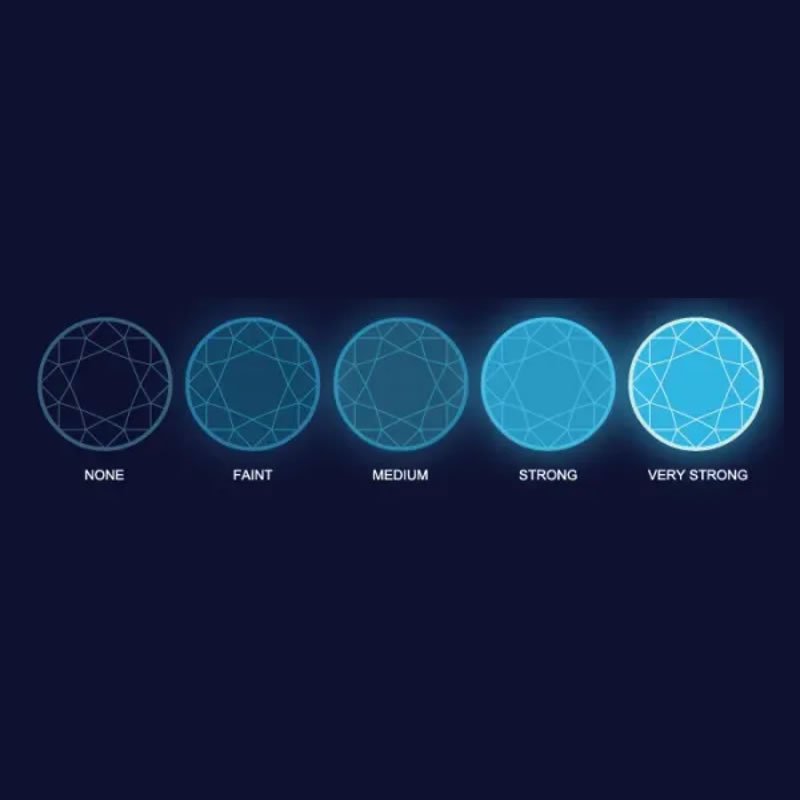
The intensity of fluorescence is graded as None, Faint, Medium, Strong, or Very Strong. In everyday lighting conditions, fluorescence is usually not visible to the naked eye and has little to no impact on a diamond’s overall appearance.
The influence of fluorescence on a diamond’s value depends on its strength and color grade. For higher color diamonds (D–G), very strong fluorescence may occasionally create a slightly hazy or milky appearance, which can affect desirability. However, in diamonds with warmer color grades (I and below), moderate fluorescence can make the stone appear brighter and whiter, enhancing its visual appeal.
Understanding Fluorescence & Natural Diamond Colors
At Aurum Fine Diamonds, we believe that choosing a diamond should be based on knowledge, not misconceptions. Fluorescence is simply one of many natural characteristics found in diamonds. While its intensity may influence the appearance of certain stones under ultraviolet (UV) light, it does not automatically make a diamond better or worse. The ideal choice depends on the diamond’s overall quality, beauty, and your personal preference.
Natural diamonds are remarkable creations of the Earth, formed over billions of years under intense heat and pressure. During this extraordinary process, tiny traces of natural elements and unique geological conditions can influence a diamond’s color. These rare circumstances are what make every diamond truly one of a kind.
Most diamonds appear colorless because they are made primarily of pure carbon. However, when small amounts of other elements become part of the crystal structure, beautiful natural colors can emerge. For example, boron can create rare blue diamonds, while nitrogen is responsible for yellow and brown shades. Natural radiation may produce green diamonds, and unique crystal distortions can result in captivating pink or red hues.
The way light travels through a diamond also plays an important role in its appearance. A diamond’s cut, crystal structure, and natural inclusions can enhance the way color and brilliance are perceived. These characteristics combine to create the individuality and beauty that make natural diamonds so exceptional.
At Aurum Fine Diamonds, every certified natural diamond is carefully selected for its authenticity, brilliance, and exceptional quality. Our goal is to provide complete transparency and expert guidance, helping you choose a diamond that perfectly reflects your style, confidence, and lasting value.

4Cs Diamond Education
Learn the essentials of diamonds with our easy-to-understand expert guide.
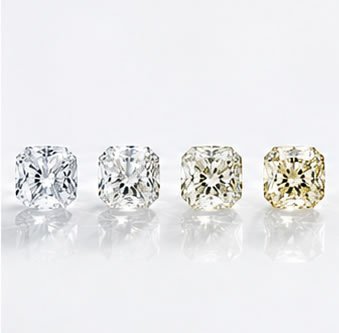
Diamond Color
Discover how color grades influence a diamond's beauty and value.
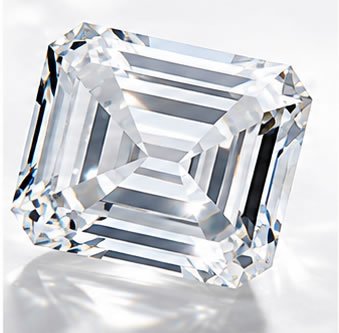
Diamond Clarity
Understand how clarity affects a diamond's brilliance and appearance.
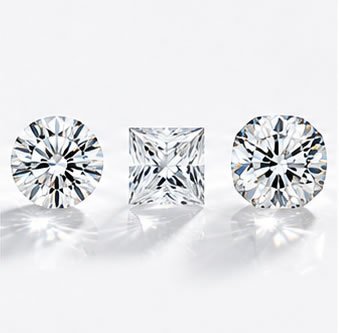
Diamond Cut
Explore how expert cutting maximizes a diamond's sparkle and fire.
Diamond Weight
Learn how carat weight impacts a diamond's size, rarity, and value.
Diamond Color FAQ's
Diamond color refers to the natural body color of a white diamond. The less color a diamond has, the rarer and more valuable it is. The GIA grades diamond color on a scale from D (colorless) to Z (light yellow or brown).
The D color grade is considered the highest because it is completely colorless. However, diamonds in the D–F range are all exceptional and offer outstanding brilliance and beauty.
Yes. Color is one of the key factors that determine a diamond's value. Colorless diamonds are generally rarer and more expensive, while diamonds with noticeable yellow or brown tones are usually more affordable.
In most cases, it is difficult to distinguish between adjacent color grades, especially once the diamond is set in jewelry. The differences become more noticeable only when diamonds are compared side by side under proper lighting.
The ideal diamond color depends on your budget, personal preference, and the jewelry setting. At Aurum Fine Diamonds, our experts help you select a certified natural diamond that offers the perfect balance of beauty, quality, and value.